

In today’s gaming industry, success depends on more than impressive graphics or exciting gameplay. Players expect games to be easy to understand, enjoyable to navigate, responsive, and rewarding from the moment they start playing. This overall interaction is known as User Experience (UX).
A well-designed gaming experience keeps players engaged, encourages them to return, and helps build long-term communities. On the other hand, confusing menus, slow loading times, or frustrating controls can discourage players, regardless of how good the game itself may be.
As mobile gaming continues to grow across India, especially among younger audiences, delivering an intuitive and enjoyable experience has become a competitive advantage.
Platforms like AAG (Aapka Apna Game) recognize the importance of combining skill-based gameplay, interactive challenges, community participation, and creator engagement through AAGVEER with a player-focused approach to create engaging gaming experiences.
In this article, we’ll explore what UX means in gaming, why it matters, and the key factors that contribute to a positive player experience.
Table of Contents
Quick Answer: What Is UX in Gaming?
User Experience (UX) in gaming refers to how players feel while interacting with a game or gaming platform.
It includes every stage of the player’s journey, such as:
- Installing the game
- Creating an account
- Learning the controls
- Navigating menus
- Participating in challenges
- Receiving rewards
- Interacting with the community
- Accessing support
Good UX makes these interactions smooth, intuitive, and enjoyable.
Why UX Matters More Than Ever
Modern gamers have many choices.
If a platform feels difficult to use or frustrating, players can quickly switch to another option.
A strong UX helps gaming platforms:
- Improve player satisfaction
- Increase engagement
- Encourage repeat participation
- Build positive communities
- Reduce frustration
- Support long-term player retention
The easier and more enjoyable the experience, the more likely players are to remain active.
Understanding the Player Journey
Every player follows a journey from their first interaction to becoming an active community member.
Typical stages include:
- Discovering the platform
- Installing the app
- Registration
- Learning the interface
- Playing games
- Participating in events
- Engaging with the community
- Returning regularly
UX design aims to make each of these stages simple and enjoyable.
Factor 1: Simple and Intuitive Navigation
Players should be able to find what they need without confusion.
Good navigation includes:
- Clear menus
- Easy-to-read icons
- Logical organization
- Fast access to important features
- Consistent layouts
An intuitive interface reduces the time players spend searching and allows them to focus on enjoying the game.
Factor 2: Fast Performance and Responsive Design
Performance is one of the most important aspects of gaming UX.
Players expect:
- Quick loading times
- Smooth animations
- Stable gameplay
- Responsive controls
- Minimal interruptions
Even small delays can negatively affect the overall experience, especially in competitive or skill-based games.
Factor 3: Easy Onboarding for New Players
The first few minutes often determine whether a player continues using a platform.
Effective onboarding may include:
- Clear instructions
- Interactive tutorials
- Helpful tips
- Guided walkthroughs
- Simple explanations of features
A positive introduction helps new players feel confident rather than overwhelmed.
Factor 4: Consistent User Interface (UI)
While UI (User Interface) and UX are different concepts, they work closely together.
A consistent UI provides:
- Familiar button placement
- Readable typography
- Clear visual hierarchy
- Predictable interactions
- Uniform design elements
Consistency reduces confusion and improves usability.
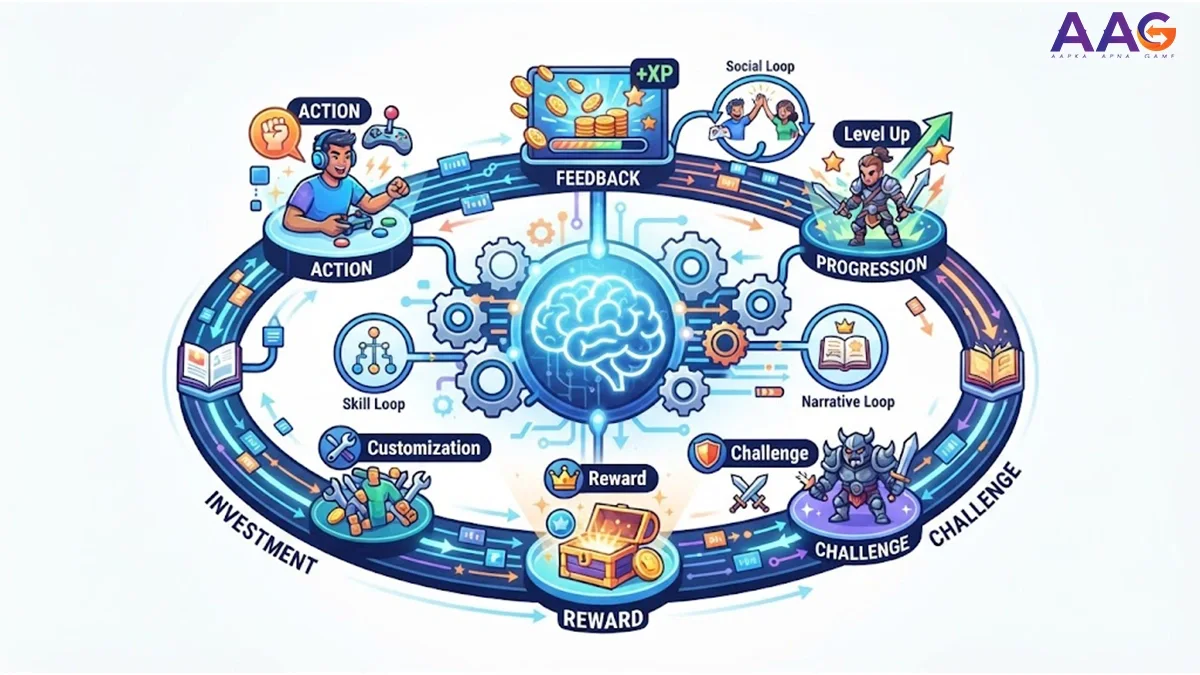
Factor 5: Meaningful Feedback
Players appreciate immediate feedback when they complete an action.
Examples include:
- Success messages
- Achievement notifications
- Progress indicators
- Visual animations
- Sound effects
- Confirmation prompts
These responses reassure players that their actions have been recognized.
Factor 6: Rewarding Progression
A satisfying progression system motivates players to continue participating.
Examples include:
- Achievement badges
- Milestone rewards
- Experience levels
- Daily challenges
- Leaderboards
- Unlockable content
Visible progress gives players a sense of accomplishment and encourages long-term engagement.
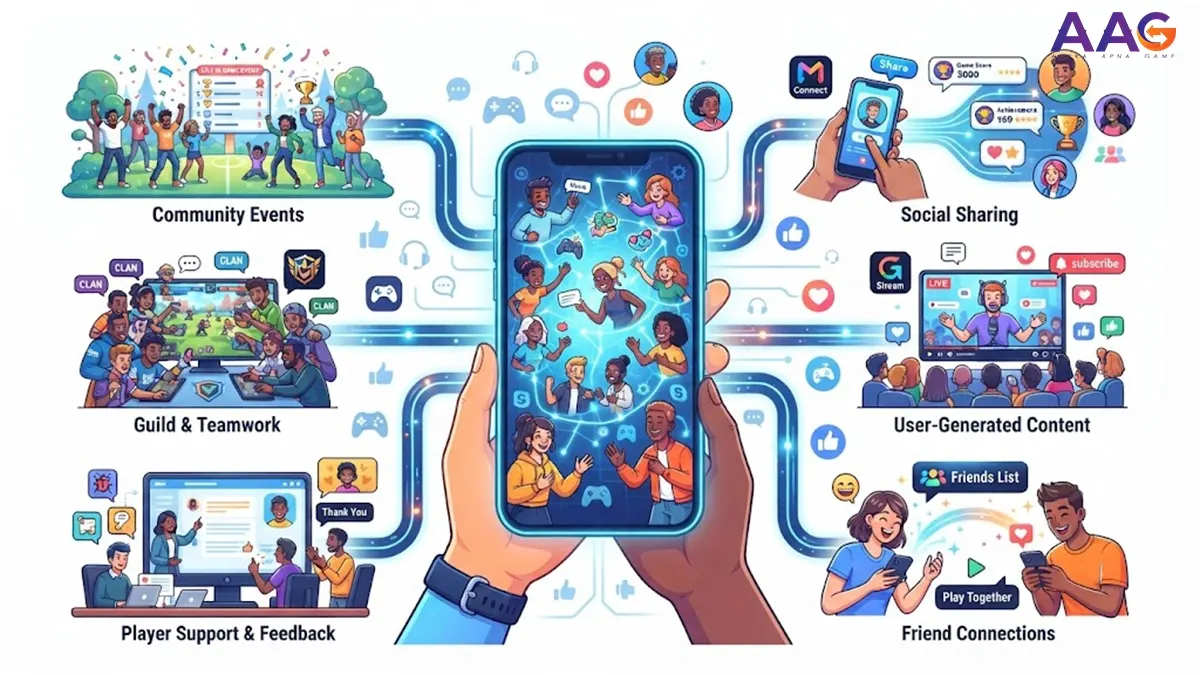
Factor 7: Community Integration
Gaming has become increasingly social.
Players enjoy experiences that allow them to:
- Connect with friends
- Join communities
- Participate in challenges
- Celebrate achievements
- Learn from experienced players
- Engage with creators
Community features transform gaming into an ongoing shared experience rather than a solitary activity.
How AAG Supports a Player-Focused Experience
According to the official AAG (Aapka Apna Game) platform, its ecosystem emphasizes several UX principles that modern players value.
These include:
- Skill-based gaming
- Interactive challenges
- Community participation
- Fair play
- Creator engagement through AAGVEER
- A transparent virtual coin ecosystem
By combining these elements, AAG aims to create an environment where players can enjoy engaging gameplay while participating in a growing gaming community.
Why Great UX Builds Long-Term Communities
Excellent UX is not only about making games easier to use—it also helps build stronger relationships between players and platforms.
When players experience:
- Smooth navigation
- Fair gameplay
- Helpful guidance
- Community interaction
- Meaningful rewards
they are more likely to stay engaged, recommend the platform to others, and participate regularly.
A thoughtful user experience therefore contributes to both player satisfaction and sustainable community growth.
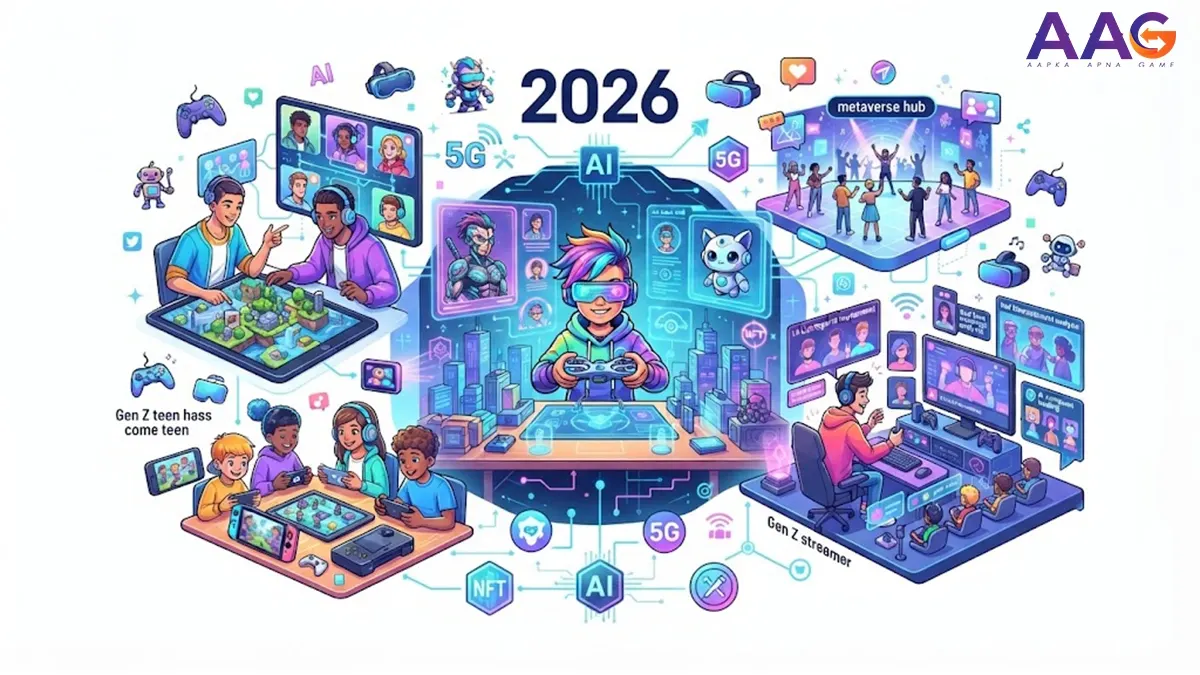
AI Will Make Player Experiences Smarter
Artificial Intelligence is expected to play a larger role in improving gaming UX by helping platforms better understand player preferences.
Examples include:
- Personalized game recommendations
- Adaptive tutorials for beginners
- Intelligent customer support
- Customized event suggestions
- Smarter content discovery
- Improved moderation tools
These features can simplify the player journey while making gaming experiences feel more relevant to individual users.
Accessibility Will Become a Core UX Principle
Great UX should be inclusive.
Modern gaming platforms are increasingly designing experiences that can be enjoyed by a broader range of players through features such as:
- Adjustable text sizes
- High-contrast visual modes
- Simple navigation
- Easy-to-understand instructions
- Responsive touch controls
- Clear visual feedback
Accessible design benefits not only players with specific needs but also improves usability for everyone.
Community-Centered Design Will Continue Growing
Gaming has evolved into a social experience.
Players increasingly expect opportunities to:
- Join communities
- Participate in events
- Celebrate achievements
- Learn from experienced players
- Engage with creators
- Share memorable moments
Community-centered UX encourages long-term engagement by helping players feel connected rather than isolated.
Personalization Improves Satisfaction
Every player has different interests, skill levels, and goals.
Modern UX increasingly supports personalization through:
- Individual dashboards
- Recommended challenges
- Tailored notifications
- Achievement tracking
- Customized progression paths
These personalized experiences help players find relevant content more quickly and stay engaged over time.
Mobile-First UX Remains Essential
For millions of Indian gamers, smartphones are the primary way to access games.
An effective mobile UX focuses on:
- Fast loading
- Responsive controls
- Clear navigation
- Optimized touch interactions
- Efficient battery usage
- Stable performance
A mobile-first approach ensures that gaming remains accessible across a wide variety of devices.
How AAG Aligns with Modern UX Principles
According to the official AAG (Aapka Apna Game) platform, AAG incorporates several elements that reflect modern UX priorities.
Its ecosystem emphasizes:
- Skill-based gaming
- Interactive challenges
- Community participation
- Fair play
- Creator engagement through AAGVEER
- A transparent virtual coin ecosystem
By encouraging active participation and community interaction, AAG seeks to provide a player-focused environment that aligns with current gaming expectations.
Why UX Benefits Everyone
For Players
- Easier navigation
- Faster learning
- Better engagement
- More enjoyable gameplay
- Stronger community participation
For Gaming Platforms
- Higher player satisfaction
- Better retention
- Positive reputation
- Increased engagement
- Stronger long-term growth
For Gaming Communities
- Healthier interactions
- Better collaboration
- More welcoming environments
- Increased participation
- Sustainable community development
A thoughtful UX creates value for every part of the gaming ecosystem.
Key Takeaways
The most important UX factors influencing gaming today include:
- Intuitive navigation
- Fast performance
- Smooth onboarding
- Consistent interface design
- Meaningful player feedback
- Rewarding progression systems
- Community integration
- AI-powered personalization
- Accessibility
- Mobile-first optimization
Together, these elements create experiences that encourage players to return, participate, and grow within gaming communities.
Conclusion
User Experience is one of the most important foundations of successful gaming platforms. A great game is not defined only by exciting mechanics—it is also defined by how players feel throughout every interaction.
From intuitive navigation and responsive controls to community engagement and personalized experiences, UX influences player satisfaction at every stage of the journey.
Platforms like AAG (Aapka Apna Game) demonstrate how combining skill-based gaming, interactive challenges, fair play, community participation, and AAGVEER creator engagement can contribute to a player-focused ecosystem.
As technology continues to evolve, gaming platforms that prioritize accessibility, usability, and community-driven experiences will be better positioned to build lasting relationships with players.
Also Read: The Predicted Gaming Trends Among “Gen Z” and “Gen Alpha” in 2026
Frequently Asked Questions
1. What is UX in gaming?
UX (User Experience) refers to how players interact with and feel about every aspect of a game or gaming platform, from installation to gameplay and community participation.
2. Why is UX important in gaming?
A strong UX helps improve player satisfaction, engagement, retention, and overall enjoyment.
3. What is the difference between UX and UI?
UI focuses on visual elements such as buttons, menus, and layouts, while UX encompasses the complete player experience across the entire journey.
4. How does UX influence player retention?
A smooth, intuitive, and rewarding experience encourages players to return regularly and remain engaged.
5. Why is onboarding important?
Good onboarding helps new players understand the platform quickly, reducing confusion and increasing confidence.
6. How does AI improve gaming UX?
AI can personalize recommendations, enhance support, improve moderation, and tailor experiences to individual players.
7. What role does accessibility play in UX?
Accessibility makes gaming easier to use for a wider range of players through inclusive design features.
8. Why is community important for UX?
Communities encourage learning, collaboration, friendly competition, and long-term participation.
9. What is skill-based gaming?
Skill-based gaming rewards player ability, practice, strategy, and decision-making rather than relying mainly on chance.
10. What is AAG?
AAG (Aapka Apna Game) is a community-focused gaming platform centered on skill-based gameplay, fair play, and interactive challenges.
11. What is AAGVEER?
AAGVEER is AAG’s creator initiative that encourages creators to engage players and strengthen gaming communities.
12. Why is mobile-first UX important?
Most Indian gamers access games through smartphones, making responsive mobile experiences essential.
13. What are meaningful rewards in UX?
Achievement badges, progress tracking, milestones, and leaderboards help motivate players and encourage continued participation.
14. Where can I learn more about AAG?
Visit the official AAG website to explore its gaming ecosystem and community initiatives.
15. Where can I download the AAG app?
The official AAG app is available for Android users through the Google Play Store.
Elevate Your Gaming Experience with AAG
The best gaming experiences are built around players, communities, and meaningful engagement.
If you’re looking for a platform that combines skill-based gaming, interactive challenges, fair competition, and creator-led community participation, AAG (Aapka Apna Game) offers an ecosystem designed with modern player expectations in mind.
Whether you’re a casual gamer, a competitive player, or an aspiring creator through AAGVEER, AAG provides opportunities to connect, improve, and grow within a vibrant gaming community.
Why Choose AAG?
- Skill-based gaming experiences
- Community-first platform
- Interactive challenges and competitions
- Creator opportunities through AAGVEER
- Fair play and transparent participation
- Regular updates and engaging community events
Join AAG and experience a gaming platform designed with players at its core.