

How Gaming Improves Decision Making: Every day, we make hundreds of decisions—some simple, like choosing what to eat, and others more complex, like solving problems at work, managing time, or planning future goals. The ability to make quick, informed, and confident decisions is one of the most valuable skills in modern life.
Interestingly, one activity that continuously challenges and strengthens this ability is gaming.
Modern skill-based games require players to observe situations, analyze available information, predict outcomes, and make decisions within seconds. Instead of relying on luck, these games reward strategy, planning, adaptability, and experience.
As competitive and community-driven gaming continues to grow, platforms like AAG (Aapka Apna Game) are creating environments where players can regularly participate in skill-based challenges, interact with fellow gamers, and improve their decision-making abilities through engaging gameplay.
In this article, we’ll explore how gaming influences the brain, why decision-making is an essential life skill, and how skill-based gaming can help players think faster and make better choices.
Table of Contents
Quick Answer: Does Gaming Improve Decision Making?
Yes—especially skill-based gaming.
Research and practical experience suggest that many games encourage players to:
- Analyze situations quickly
- Think strategically
- Evaluate multiple options
- Adapt to changing circumstances
- Predict possible outcomes
- Learn from mistakes
- Improve reaction time
These experiences can strengthen cognitive skills that are useful in both gaming and everyday life.
What Is Decision Making?
Decision making is the process of selecting the best course of action from several possible options.
Every decision generally involves four steps:
- Understanding the situation
- Evaluating available choices
- Predicting possible outcomes
- Choosing the most effective action
The quality of a decision often depends on how well a person can process information, stay calm under pressure, and learn from previous experiences.
Why Decision Making Is an Important Life Skill
Good decision-making affects nearly every aspect of life.
It influences:
- Academic performance
- Workplace productivity
- Financial planning
- Team collaboration
- Leadership
- Time management
- Personal relationships
People who make thoughtful decisions are often better prepared to solve problems and adapt to changing situations.
How the Brain Makes Decisions
Whenever we face a challenge, the brain processes information from several areas at once.
It considers:
- Previous experiences
- Current information
- Possible risks
- Potential rewards
- Time constraints
Skill-based games simulate these same mental processes by placing players in situations where they must evaluate multiple factors before acting.
The more frequently these cognitive processes are practiced, the more efficient they can become.
Why Skill-Based Gaming Is Different
Not every game challenges the brain in the same way.
Skill-based games encourage players to improve through:
- Practice
- Strategy
- Observation
- Timing
- Planning
- Learning
Instead of relying primarily on chance, players develop better performance by improving their own abilities.
This continuous improvement makes skill-based gaming particularly valuable for developing decision-making skills.
Gaming Trains Players to Think Quickly
Many games require players to make decisions within seconds.
Examples include:
- Choosing the best strategy
- Responding to opponents
- Managing limited resources
- Prioritizing objectives
Repeated exposure to these situations helps players become more comfortable making decisions under time pressure.
Gaming Improves Situation Analysis
Before making a move, players constantly evaluate their surroundings.
They learn to identify:
- Opportunities
- Risks
- Opponent behavior
- Team positioning
- Available resources
This habit strengthens analytical thinking and encourages players to make more informed decisions.
Players Learn to Evaluate Multiple Options
Competitive games rarely offer only one solution.
Players often compare several possible actions before choosing one.
For example, they might decide whether to:
- Attack immediately
- Wait for a better opportunity
- Support teammates
- Defend resources
- Change strategy
Evaluating multiple possibilities encourages flexible thinking and better judgment.
Gaming Encourages Strategic Planning
Good decisions are often based on preparation rather than impulse.
Skill-based games reward players who plan ahead.
They learn to:
- Anticipate future situations
- Allocate resources wisely
- Predict opponent behavior
- Create backup strategies
These planning habits can also support decision-making in education, business, and personal life.
Mistakes Become Learning Opportunities
One of the greatest advantages of gaming is immediate feedback.
If a strategy doesn’t work, players can often identify why.
They begin asking questions such as:
- What went wrong?
- What could I have done differently?
- Which strategy worked better?
- How can I improve next time?
This process encourages reflection and continuous improvement instead of fearing mistakes.
Gaming Improves Focus During Critical Moments
Effective decision-making requires concentration.
Competitive gaming trains players to stay focused by asking them to monitor the following:
- Objectives
- Opponent actions
- Team communication
- Timers
- Changing conditions
Remaining attentive while processing multiple sources of information strengthens mental focus over time.
Confidence Grows Through Practice
People often make better decisions when they trust their own judgment.
Gaming builds confidence by allowing players to:
- Practice repeatedly
- Learn from experience
- Improve performance gradually
- Achieve measurable progress
As confidence increases, players become more comfortable making decisions even in challenging situations.
Decision Making Is More Than Speed
Many people believe that good decision-making simply means making fast choices.
In reality, effective decisions combine:
- Speed
- Accuracy
- Observation
- Planning
- Adaptability
- Experience
Skill-based gaming helps players develop this balance by encouraging thoughtful actions rather than impulsive reactions.
How AAG Supports Strategic Thinking
Modern gaming platforms are evolving beyond simple entertainment.
According to the official AAG (Aapka Apna Game) platform, AAG focuses on skill-based gameplay, fair competition, interactive challenges, and community participation.
These features encourage players to actively engage in situations that require observation, planning, and informed decision-making rather than relying on chance alone.
By participating in challenges and interacting with the gaming community, players have opportunities to continuously sharpen their strategic thinking while enjoying an engaging and community-driven gaming experience.
Gaming Teaches Risk Assessment
Every decision involves some level of risk.
In skill-based games, players constantly ask themselves:
- Should I attack now or wait?
- Is this the right strategy?
- What could happen if this move fails?
- Is the reward worth the risk?
Over time, players become better at weighing potential rewards against possible consequences before taking action.
This habit strengthens practical decision-making in both gaming and everyday life.
Adaptability Becomes a Natural Skill
No two games are exactly the same.
Opponents change strategies.
New challenges appear unexpectedly.
Game conditions evolve.
Successful players learn to:
- Adjust quickly
- Stay calm
- Modify strategies
- Make new decisions based on changing information
This adaptability is one of the most valuable life skills in today’s fast-changing world.
Gaming Improves Pattern Recognition
Experienced players begin recognizing patterns that beginners often miss.
For example, they notice:
- Opponent behavior
- Common strategies
- Timing patterns
- Repeated mistakes
- Winning combinations
Recognizing patterns allows players to predict situations before they happen and make better decisions faster.
Pattern recognition is also valuable in business, education, finance, and technology.
Emotional Control Leads to Better Decisions
Decision-making isn’t only about intelligence—it also depends on emotional control.
Competitive gaming teaches players to:
- Stay calm under pressure
- Recover after setbacks
- Avoid impulsive reactions
- Focus on solutions instead of frustration
Players who manage emotions effectively often make more balanced and thoughtful decisions.
Team-Based Games Improve Collaborative Decision Making
Many important decisions are made with other people.
Multiplayer games encourage players to:
- Share information
- Listen carefully
- Evaluate team suggestions
- Reach consensus
- Execute coordinated strategies
These experiences strengthen teamwork and prepare players for collaborative environments in school, business, and professional careers.
Leadership Develops Through Responsibility
In many competitive games, someone naturally takes the lead.
Leaders often:
- Assign responsibilities
- Plan strategies
- Guide teammates
- Encourage communication
- Make final decisions during critical moments
Repeated leadership experiences help players become more confident when managing real-world responsibilities.
Gaming Strengthens Creative Problem-Solving
Unexpected situations require creative thinking.
Players frequently discover solutions by:
- Trying new strategies
- Combining different techniques
- Experimenting with alternative approaches
- Learning through experience
Creativity allows players to solve challenges more efficiently rather than relying on routine actions.
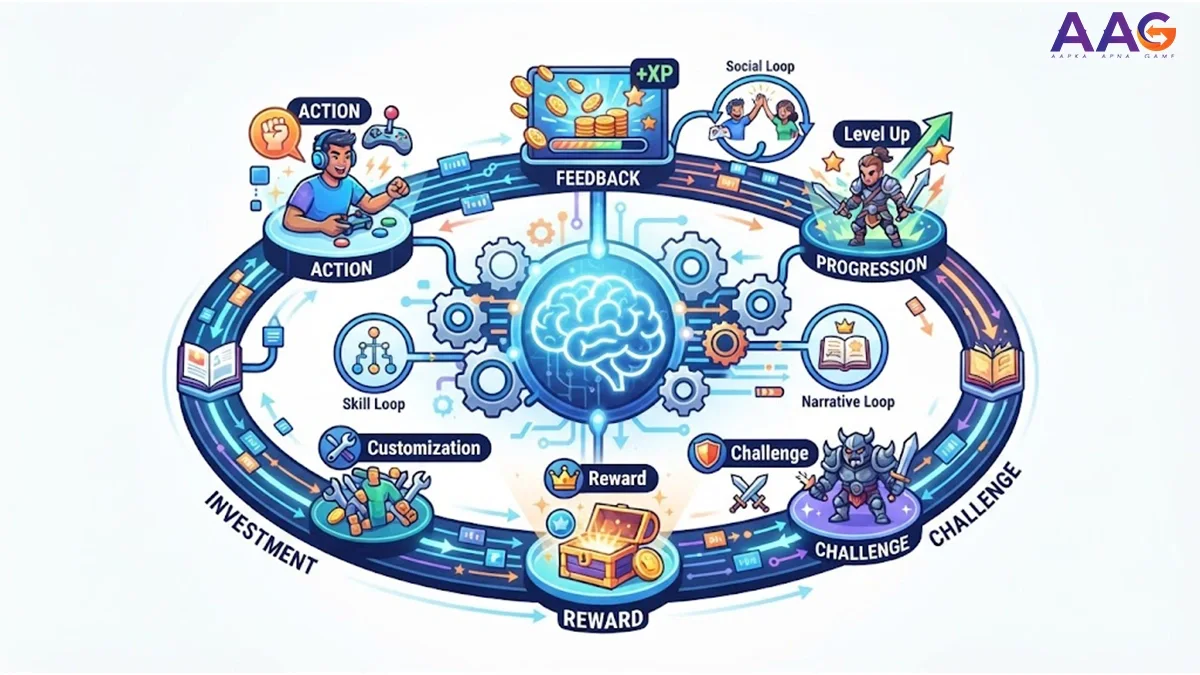
Learning From Feedback Improves Future Decisions
Every match provides valuable feedback.
Players naturally evaluate:
- Successful strategies
- Mistakes
- Team performance
- Opponent tactics
- Areas for improvement
This continuous feedback loop helps players refine future decisions and become more effective over time.
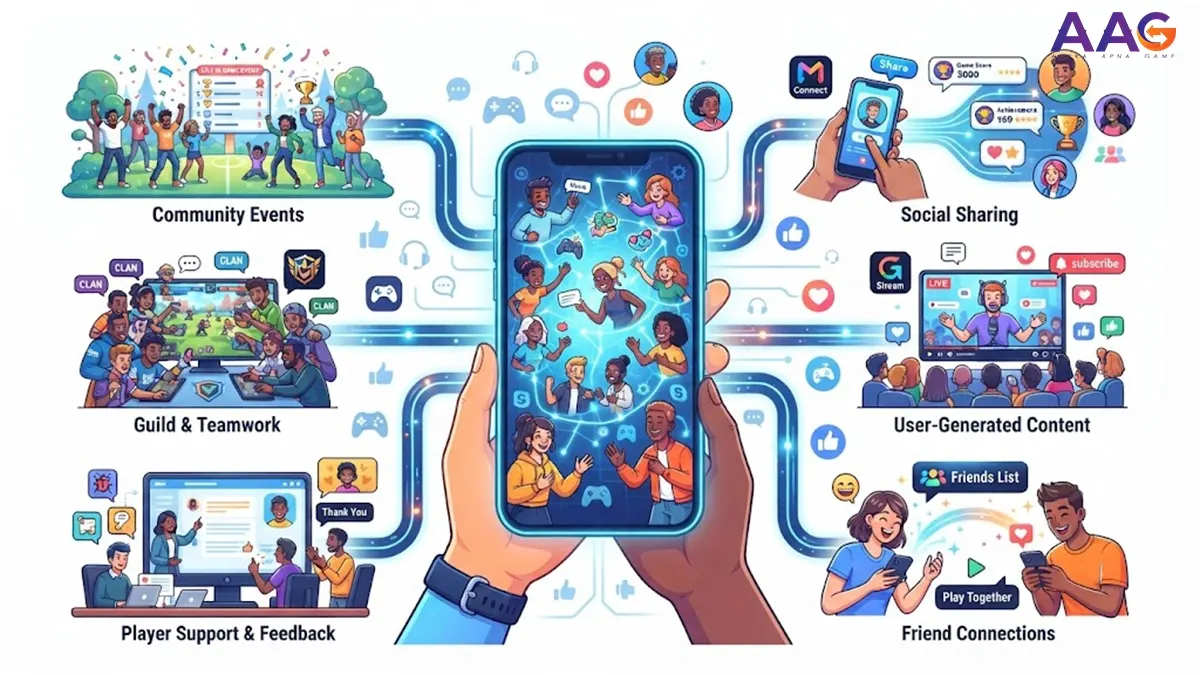
Community Learning Makes Everyone Better
One of the biggest advantages of modern gaming is the ability to learn from others.
Active gaming communities allow players to:
- Exchange strategies
- Discuss gameplay
- Share experiences
- Celebrate achievements
- Learn new techniques
Instead of improving alone, players benefit from the collective knowledge of the community.
Why Skill-Based Gaming Creates Better Decision Makers
Skill-based gaming encourages players to think before acting.
Rather than depending on random outcomes, success comes from:
- Observation
- Planning
- Practice
- Strategy
- Communication
- Continuous improvement
These habits strengthen the mental processes used for making informed decisions in everyday situations.
How AAG Encourages Strategic Decision Making
Modern gaming platforms are increasingly designed to reward thoughtful participation rather than random outcomes.
According to the official AAG (Aapka Apna Game) platform, AAG is built around:
- Skill-based gameplay
- Fair competition
- Interactive challenges
- Community participation
- Creator engagement through AAGVEER
- A transparent virtual coin ecosystem
These features encourage players to analyze situations, develop strategies, and improve through practice while participating in a community-driven gaming environment.
Instead of simply completing matches, players engage with challenges that reward consistent improvement and active participation.
Technology Is Making Decision-Based Gaming Even Better
Advances in technology continue to enhance the gaming experience.
Modern platforms increasingly use:
- Artificial Intelligence (AI)
- Cloud gaming
- Faster mobile networks
- Improved matchmaking systems
- Community-driven events
- Personalized recommendations
These innovations create environments where players face new challenges, learn continuously, and refine their decision-making skills over time.
Also read: Benefits of Competitive Gaming
The Future of Gaming and Decision-Making
The future of gaming extends far beyond entertainment. As technology advances, games are becoming more intelligent, immersive, and personalized. Artificial Intelligence (AI), cloud gaming, augmented reality (AR), and community-driven platforms are transforming how players think, learn, and make decisions.
In the coming years, gaming platforms will provide increasingly personalized experiences by adapting challenges to a player’s skill level, learning style, and progress. This means every decision a player makes can become part of a continuous learning journey.
For players, this creates opportunities to strengthen strategic thinking while enjoying engaging and competitive gameplay.
AI Is Revolutionizing Cognitive Training Through Gaming
Artificial Intelligence is helping gaming platforms create smarter experiences.
AI can support players by:
- Personalizing challenges
- Improving matchmaking
- Suggesting skill-building activities
- Detecting unfair gameplay
- Enhancing player safety
- Providing better recommendations
Instead of offering identical experiences to every player, AI helps create challenges that are relevant to individual abilities, encouraging continuous improvement.
Why Decision-Making Will Become an Essential Digital Skill
Modern life requires people to process information faster than ever before.
Whether managing projects, studying, collaborating with teams, or solving daily problems, decision-making plays a central role.
Skill-based gaming complements these real-world demands by encouraging players to:
- Observe carefully
- Evaluate multiple possibilities
- Think strategically
- Respond calmly under pressure
- Learn from previous experiences
These habits support long-term personal and professional growth.
Community Learning Makes Better Decision Makers
One of the greatest strengths of online gaming is collaborative learning.
Gaming communities encourage players to:
- Exchange strategies
- Discuss gameplay
- Analyze successful techniques
- Share feedback
- Support new players
Learning from others exposes players to different perspectives, helping them make more informed decisions over time.
How AAG Encourages Smarter Gameplay
Modern gaming platforms are evolving into learning communities where players improve through participation.
According to the official AAG (Aapka Apna Game) platform, AAG focuses on:
- Skill-based gameplay
- Fair competition
- Community participation
- Interactive challenges
- Creator engagement through AAGVEER
- Transparent virtual coin participation
These principles encourage players to improve through practice, strategic thinking, and active community involvement rather than relying on chance.
By participating in challenges and interacting with fellow gamers, players can continuously strengthen observation, planning, and decision-making skills while enjoying a community-first gaming experience.
Key Takeaways
Gaming is much more than entertainment.
Skill-based gaming helps players:
- Improve decision-making
- Think strategically
- Solve problems efficiently
- Adapt to changing situations
- Strengthen communication
- Build confidence
- Develop leadership abilities
- Learn continuously
As gaming technology evolves, these benefits are likely to become even more valuable in education, professional environments, and everyday life.
Conclusion: How Gaming Improves Decision Making
Decision-making is one of the most important skills people use every day. Whether solving problems at work, managing personal responsibilities, collaborating with others, or planning future goals, the ability to make thoughtful decisions has a lasting impact.
Skill-based gaming provides an engaging environment where players practice observation, strategy, adaptability, communication, and critical thinking. Every challenge presents an opportunity to evaluate options, make informed choices, and learn from outcomes.
Platforms like AAG (Aapka Apna Game) demonstrate how modern gaming can combine fair play, community participation, interactive challenges, and skill-based competition to create meaningful experiences that go beyond entertainment.
As technology continues to advance, gaming will remain an exciting way for players to sharpen their minds, strengthen decision-making abilities, and become part of collaborative digital communities.
Frequently Asked Questions
Does gaming really improve decision-making?
Yes. Skill-based games encourage players to analyze situations, evaluate options, and make informed decisions under changing conditions.
Which types of games improve decision-making the most?
Games that emphasize strategy, teamwork, planning, puzzles, quizzes, and competitive skill-based challenges are generally the most effective.
How does gaming improve critical thinking?
Gaming requires players to solve problems, anticipate outcomes, recognize patterns, and adapt strategies based on new information.
Can gaming improve problem-solving skills?
Yes. Players regularly encounter new challenges that require creative thinking and practical solutions.
Does gaming improve focus?
Many competitive games require sustained concentration, attention to detail, and quick reactions, helping players practice maintaining focus.
How does gaming teach strategic thinking?
Players learn to plan ahead, anticipate opponents’ actions, manage resources, and adjust strategies as situations change.
Is decision-making important in multiplayer games?
Absolutely. Team-based games require communication, coordination, and collaborative decision-making to achieve shared objectives.
What is skill-based gaming?
Skill-based gaming rewards practice, strategy, timing, and decision-making instead of relying primarily on random outcomes.
What is AAG?
AAG (Aapka Apna Game) is a community-focused, skill-based gaming platform that promotes fair competition, interactive challenges, and player engagement.
What is AAGVEER?
AAGVEER is AAG’s creator initiative that supports community builders and encourages creators to engage players through meaningful content and activities.
Can gaming help develop leadership skills?
Yes. Many multiplayer games require players to organize teams, coordinate strategies, and make important decisions under pressure.
Does gaming encourage continuous learning?
Yes. Players constantly improve by analyzing gameplay, learning new strategies, practicing regularly, and adapting to updates.
How does community participation improve decision-making?
Communities allow players to exchange ideas, learn from experienced gamers, and discover different approaches to solving challenges.
Where can I learn more about AAG?
Visit the official AAG website to explore its games, community initiatives, creator program, and platform features.
Where can I download the AAG app?
The official AAG app is available for Android users through the Google Play Store.
Join AAG and Challenge Your Decision-Making Skills
Great decisions come from experience, strategy, and continuous learning. That’s exactly what skill-based gaming offers.
If you’re looking for a platform where you can enjoy competitive gameplay, participate in interactive challenges, connect with an active gaming community, and improve through fair competition, AAG is the place to start.
Why Play on AAG?
- Skill-based gaming experience
- Strategic and engaging challenges
- Community-first platform
- Fair play and transparent participation
- Creator opportunities through AAGVEER
- Regular updates and exciting events
Official Website
Join thousands of gamers who are sharpening their skills, building connections, and enjoying the future of community-driven gaming with AAG.